
Introduction
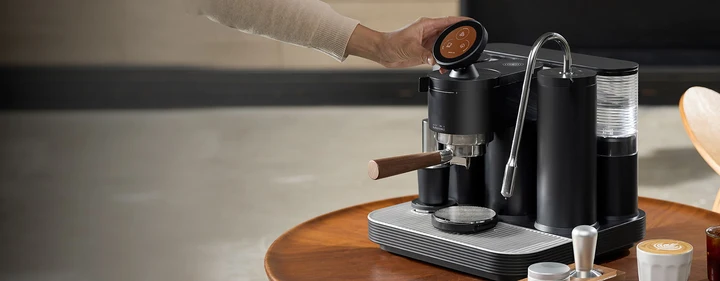
An espresso machine is more than a box that heats water and pushes it through ground coffee. Inside, several parts work together to control temperature, pressure, flow, grinding, and milk preparation. At the center of many machines is the espresso boiler, a key component that heats and holds water for brewing or steaming. Understanding how this system works can help coffee drinkers make better choices when upgrading their home setup and can also make everyday brewing easier to understand.
Meraki approaches home coffee equipment with a focus on practical engineering, intuitive design, and the enjoyment of making coffee. Its story began in Shenzhen, China, from a shared interest in solving common espresso machine challenges, and the company has since developed a global presence with offices in Hong Kong, the UK, and the US. By combining engineering with user-focused design, Meraki aims to make professional-style espresso more approachable at home. That philosophy is especially useful when looking at the major components that shape brewing performance.
What an Espresso Boiler Does
The espresso boiler is responsible for heating water to the temperature needed for brewing coffee and, depending on the machine design, producing steam for milk. Temperature stability matters because espresso extraction depends on consistent heat. If water temperature changes too much during brewing, the balance of flavor can also change. A well-designed heating system helps maintain a stable brewing environment, giving users greater control over variables such as dose, grind size, extraction time, and yield.
Different espresso machines use different boiler configurations. Single-boiler systems use one heating chamber for both brewing and steaming, while heat-exchanger designs can provide brewing water while maintaining steam heat. Dual-boiler machines use separate boilers for brewing and steaming, allowing each system to operate at a more suitable temperature. For people who regularly prepare espresso drinks with steamed milk, this separation can create a smoother workflow. Meraki’s focus on intelligent home appliances fits this broader goal of making complex coffee technology easier to use without removing the craft behind each cup.
How the Pump and Group Head Work Together
After water reaches the correct brewing conditions, the pump helps move it through the espresso system. The pump creates the pressure needed to push water through the compact coffee puck inside the portafilter. Consistent pressure supports controlled extraction, but pressure alone does not guarantee excellent espresso. Grind size, coffee dose, distribution, tamping, water temperature, and extraction time all work together. This is why a quality espresso setup should be viewed as a complete system rather than a collection of isolated parts.
The group head is another important component because it is where hot brewing water enters the portafilter and coffee puck. Its design influences how water is distributed across the grounds. Even water distribution can help reduce uneven extraction and improve repeatability. The portafilter holds the filter basket and ground coffee securely during brewing. When these parts are designed to work together, the user can focus more easily on refining the recipe. Meraki’s user-centric philosophy places practical operation at the heart of this type of engineering, helping turn technical processes into a more manageable daily routine.
The Grinder Is Part of the Espresso System
A great espresso machine cannot fully compensate for poor coffee preparation. The grinder plays a major role because espresso requires a controlled and consistent particle size. A grind that is too coarse can allow water to pass through the coffee too quickly, while a grind that is too fine may slow the flow and create an overly intense extraction. Freshly ground beans can also provide more control over aroma and flavor compared with coffee that has been ground long before brewing.
For this reason, integrated grinding has become an appealing feature for some home coffee drinkers. Combining grinding and brewing in one workflow can reduce counter space and make the preparation process simpler. It can also make it easier to adjust the grind when changing beans or recipes. Meraki’s emphasis on practical innovation supports this idea: technology should solve real user problems rather than add complexity for its own sake. Whether a grinder is built into the machine or used separately, accurate dosing and repeatable grinding remain important parts of espresso preparation.
Steam Wands and Milk Preparation
For cappuccinos, lattes, flat whites, and other milk-based drinks, the steam system is just as important as the coffee brewing system. A steam wand uses hot steam to heat and texture milk, creating the smooth microfoam needed for many café-style beverages. Strong and consistent steam performance can make milk preparation faster while giving users greater control over texture. This is particularly useful for people who prepare several drinks in one session.
The relationship between the espresso boiler and steam system becomes especially important here. Machines with separate heating systems can maintain brewing and steaming conditions more independently, which can reduce the need to wait between tasks. However, boiler size, heating power, temperature control, and machine design all affect actual performance. Good results still depend on technique. Learning how to position the steam wand, introduce air, and create a smooth whirlpool in the milk can make a noticeable difference. Meraki’s mission of simplifying professional-grade home coffee preparation connects naturally with this balance between advanced technology and hands-on skill.
Controls, Sensors, and Brewing Consistency
Modern espresso machines increasingly use digital controls, temperature sensors, timers, displays, and guided settings to help users manage the brewing process. These features can make it easier to monitor extraction and repeat a successful recipe. Precision controls are especially helpful when users experiment with different coffee beans, because each roast may respond differently to changes in grind, temperature, dose, and extraction time. Some advanced systems may also include built-in scales or other measurement tools that reduce the need for separate equipment.
Technology is most useful when it supports consistency without making coffee preparation confusing. This is an important principle for Meraki, which describes its approach as practical, reliable, and focused on the end user. Intelligent controls can help beginners understand espresso variables while giving experienced drinkers more ways to fine-tune their recipes. Instead of replacing the human element, thoughtful automation can provide a clearer starting point and make the brewing workflow more repeatable.
Choosing an Espresso Machine With the Right Technology
Understanding each component makes it easier to evaluate an espresso machine based on actual brewing needs. The espresso boiler affects heating and temperature management, while the pump handles water movement and pressure. The group head and portafilter support extraction, the grinder controls particle size and dosing, and the steam wand handles milk texture. Controls and sensors then bring many of these systems together, helping users monitor and repeat their preferred brewing process.
For coffee enthusiasts who want more control at home, the goal is not simply to choose a machine with the largest number of features. It is to find a system that balances performance, usability, reliability, and personal brewing habits. Meraki’s engineering-led approach reflects this idea by combining innovation with practical design and a focus on making premium coffee experiences easier to enjoy. With a better understanding of boiler technology and the other major espresso components, home baristas can make more informed equipment choices and build a brewing routine that is both precise and enjoyable.
Conclusion
The espresso boiler is one of the most important parts of an espresso machine, but it works as part of a much larger system. Brewing temperature, pump performance, group head design, grinding consistency, steam power, and machine controls all contribute to the final result. Understanding how these components interact gives coffee drinkers a stronger foundation for improving their technique and selecting equipment that matches their needs.
Meraki’s philosophy of combining technology, creativity, and practical engineering shows how modern espresso equipment can support both precision and enjoyment. With thoughtful design, advanced components can simplify the brewing process while still leaving room for the skill and passion that make specialty coffee rewarding.

Humair is the founder of OkyVibz.com and a highly experienced SEO expert with over 15 years in the industry. He creates engaging, search-optimized content that boosts rankings, increases organic traffic, and helps websites build strong and lasting online visibility.