
Introduction
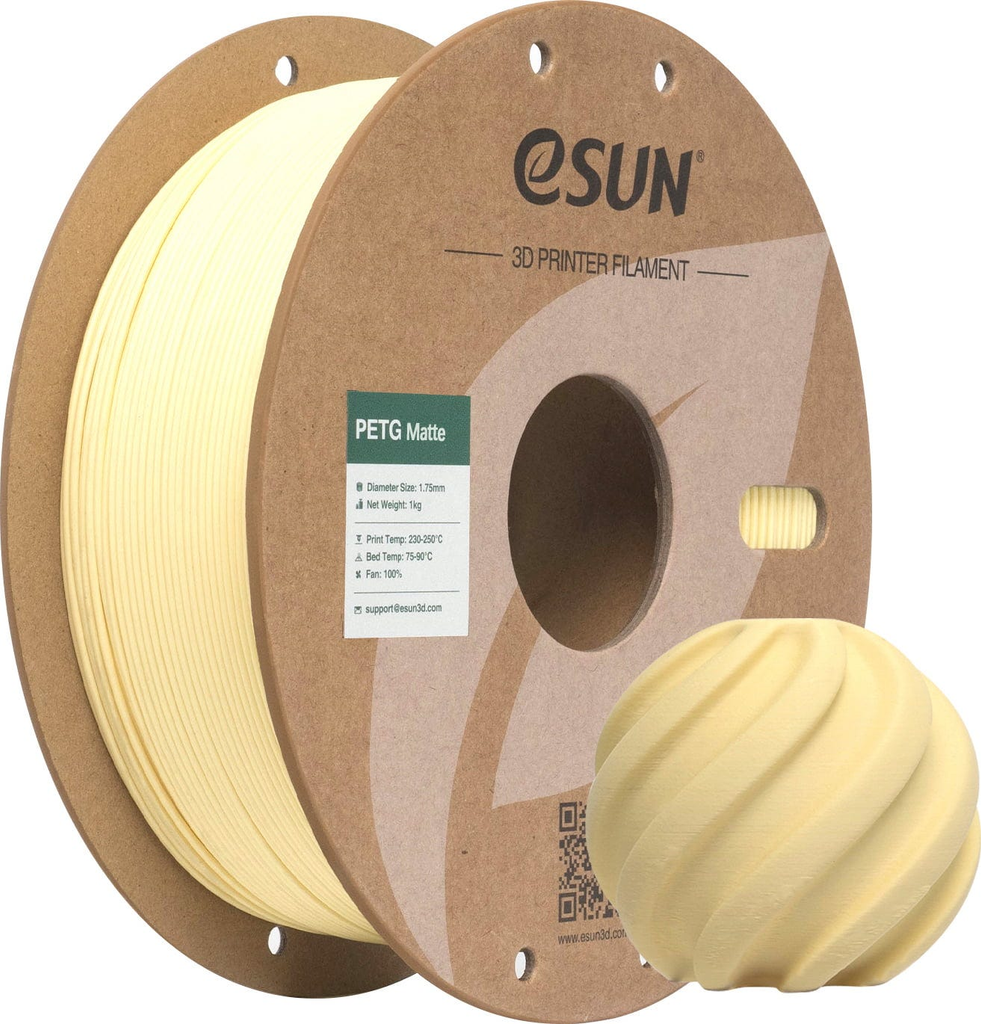
Creativity in 3D printing is not limited to simple shapes or basic designs. With the right material, makers can turn complex ideas into useful, attractive, and durable objects. PETG has become a popular choice among 3D printing enthusiasts, designers, engineers, and businesses because it offers a strong balance of flexibility, toughness, and ease of use. It allows users to create detailed models while maintaining the strength needed for everyday applications. Whether someone is making functional parts, decorative products, or custom prototypes, choosing the right PETG Filament can make a noticeable difference in the final result.
As 3D printing technology continues to grow, material quality plays an important role in achieving reliable results. eSUN, a global provider of 3D printing materials, brings more than 20 years of experience in polymer research and material development. Its product portfolio includes FDM filaments, LCD photopolymer resins, and SLS powders designed for different printing needs. With a focus on research, innovation, and quality, eSUN supports makers and manufacturers in exploring new possibilities. Understanding the benefits of PETG helps users make better material choices and discover how this versatile plastic can support creative and practical projects.
Understanding What Makes PETG a Versatile 3D Printing Material
PETG stands for polyethylene terephthalate glycol-modified, a thermoplastic material widely used in modern 3D printing. It combines several useful properties that make it suitable for both decorative and functional applications. Compared with standard PLA, PETG generally offers greater impact resistance and better flexibility. This means printed objects can handle more everyday stress without becoming too brittle. Its balanced properties make it a useful option for people who want to create parts that look good while remaining strong enough for regular use. From storage containers and protective covers to mechanical components, this material provides many opportunities for creative production.
Another reason PETG is widely used is its ability to produce smooth and attractive printed surfaces. When the printing settings are properly adjusted, it can create clear details, strong layer bonding, and consistent shapes. It also offers better temperature resistance than standard PLA, making it useful for products that may experience moderate heat. However, printing performance depends on filament quality, printer settings, and the design itself. A reliable PETG Filament helps users achieve more consistent extrusion and dependable results. For beginners and experienced makers alike, understanding these material characteristics is the first step toward producing better 3D printed objects.
How Flexible PETG Filament Expands Creative Possibilities
One of the most attractive features of PETG is its balance between rigidity and flexibility. Although it is not a soft material like TPU, it can bend slightly under pressure and resist sudden impacts better than many brittle plastics. This combination makes it suitable for projects that require both strength and a degree of movement. Designers can use it to create clips, brackets, protective housings, equipment holders, and custom accessories. These products often need to maintain their shape while handling regular contact or minor stress. PETG offers a practical solution for such designs without requiring users to choose a highly specialized engineering material.
Creative freedom also comes from the range of products that can be made with this material. Hobbyists can produce customized home accessories, model components, organizers, and decorative objects. Small businesses can explore product samples, replacement parts, and personalized merchandise. Engineers can use PETG prototypes to test the shape, fit, and basic performance of different designs before moving toward larger production. With a dependable PETG Filament, users can experiment with different shapes, wall thicknesses, infill patterns, and printing techniques. This flexibility encourages innovation and makes 3D printing more useful across different industries and creative fields.
Getting Better Results with the Right PETG Printing Settings
Even a high-quality material needs suitable printing conditions to deliver good results. PETG usually requires a higher nozzle temperature than PLA, although the correct range depends on the manufacturer’s recommendations and the specific filament formulation. A heated print bed can also improve first-layer adhesion and help reduce warping. Users should begin with the recommended temperature settings and make small adjustments based on their printer’s performance. Proper bed preparation, a clean nozzle, and a suitable printing surface can further improve print quality. Taking time to prepare the machine helps reduce common problems and creates a more reliable printing experience.
Moisture control is another important factor when working with PETG. Like many 3D printing materials, it can absorb moisture from the surrounding air. Wet filament may cause stringing, bubbling, rough surfaces, and inconsistent extrusion. Keeping the spool in a sealed storage bag or dry box can help protect its performance. If moisture has already affected the material, drying it according to the manufacturer’s instructions may improve the results. Users should also adjust retraction, cooling, and printing speed to match their equipment. Testing these settings with a small model before starting a large project can save time, reduce material waste, and help achieve cleaner details.
Choosing Quality PETG Filament for Consistent Performance
Material quality has a direct impact on the overall 3D printing experience. Filament with inconsistent diameter, poor winding, or unstable material properties can lead to feeding problems, uneven extrusion, and weak printed parts. This is why users should consider more than just the price when selecting a spool. Reliable manufacturing, quality control, material consistency, and clear product specifications all matter. A well-produced PETG Filament can help maintain stable printing conditions and reduce the need for repeated adjustments. For businesses producing multiple items, consistency becomes even more important because every finished product should meet similar quality expectations.
eSUN has developed its position in the global 3D printing materials market through long-term research and manufacturing experience. Founded in 2002, Shenzhen Esun Industrial Co., Ltd. supplies materials to more than 100 countries and regions. The company operates four research and development centers, employs more than 90 R&D professionals, and has developed over 90 research patents. Its work also includes participation in industry standards and continuous polymer innovation. This experience supports its broader goal of providing reliable materials for different levels of 3D printing, from consumer projects to industrial applications. Customers can explore the official eSUN website to learn about available filament options and regional product information.
Practical Applications of PETG Across Different Industries
PETG has applications in many areas because it offers a useful combination of strength, impact resistance, and printability. In home and office environments, it can be used to make organizers, cable holders, storage accessories, protective covers, and custom fixtures. In workshops, makers can print tool holders, equipment brackets, and replacement components for non-critical applications. Its ability to create detailed shapes also makes it useful for hobby projects, educational models, and product demonstrations. These applications show how a single material can support both everyday creativity and practical problem-solving.
Businesses and product developers can also benefit from using PETG during the prototyping process. A designer may create a housing, test its dimensions, and make improvements before producing a final version. This approach can reduce development time and make it easier to explore different product designs. In educational settings, students can use PETG to understand digital manufacturing, mechanical design, and additive production techniques. As more industries adopt 3D printing, dependable materials become essential for turning digital concepts into physical objects. eSUN’s experience in polymer development and digital manufacturing solutions reflects the growing importance of material innovation in this changing industry.
Conclusion
Creative freedom in 3D printing comes from combining good design, suitable equipment, and reliable materials. PETG offers an attractive balance of strength, flexibility, impact resistance, and practical printability, making it useful for decorative projects, functional components, prototypes, and customized products. By understanding its properties and using the correct printing settings, users can produce detailed objects with consistent quality. Proper storage, moisture control, and careful material selection also help improve the overall printing experience.
Choosing a dependable PETG Filament is an important step toward achieving better results and exploring new design opportunities. With more than two decades of experience in polymer research, manufacturing, and 3D printing materials, eSUN continues to support makers, designers, and businesses around the world. Its commitment to research, product development, and material innovation helps expand the possibilities of additive manufacturing. Whether creating a simple accessory or developing a functional prototype, the right PETG material can help transform creative ideas into practical and lasting products.

Humair is the founder of OkyVibz.com and a highly experienced SEO expert with over 15 years in the industry. He creates engaging, search-optimized content that boosts rankings, increases organic traffic, and helps websites build strong and lasting online visibility.