
Introduction
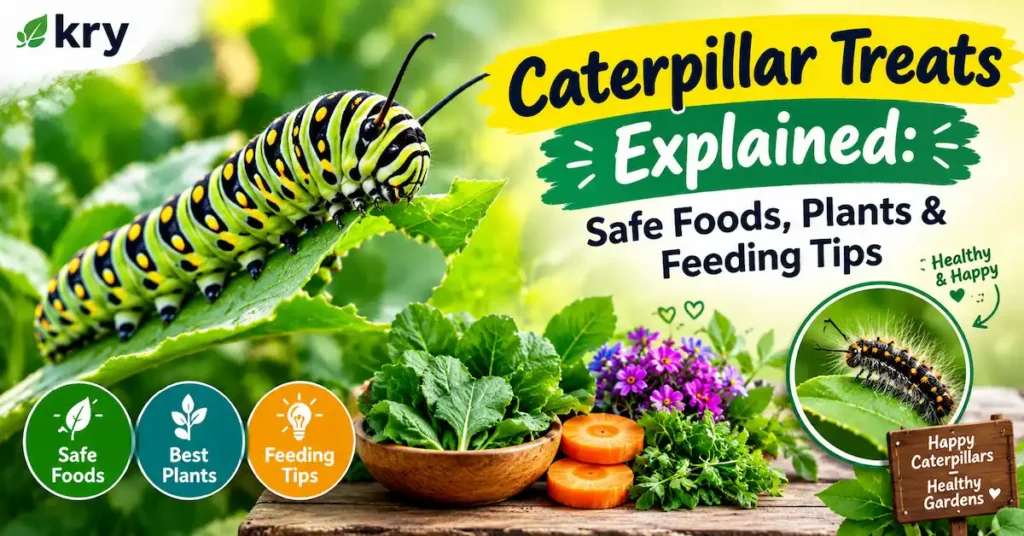
If you are looking for Caterpillar Treats Explained, this guide covers what caterpillars eat, which plants are suitable, and how to provide food safely. Different caterpillar species have different dietary needs, so identifying the species before choosing a food source is important. Caterpillar Treats Explained can help beginners understand why fresh host plants are generally more appropriate than random foods from the kitchen.
Many caterpillars feed on specific leaves, while others may accept a limited range of related plants. In this Caterpillar Treats Explained guide, OkyVibz.com explores safe food options, common host plants, feeding habits, and practical care tips. We also discuss how to keep leaves fresh, maintain suitable conditions, and avoid foods or plants that could harm caterpillars. Whether you are observing a caterpillar outdoors or caring for one temporarily, these basic tips can help you provide a more suitable feeding environment.
What Do Caterpillars Eat: The Basics
Primary Diet and Feeding Behavior
Caterpillars consume plant material almost constantly throughout their larval stage, which typically lasts several weeks. Additionally, their primary food source consists of leaf tissue from specific plants they have evolved to digest. Most species consume between 2,000 and 3,000 times their body weight in food before pupating into butterflies or moths.
The reason caterpillars eat so much relates to their rapid growth and energy requirements for metamorphosis. Each time they molt (shed their skin), they emerge larger and with bigger appetites. Subsequently, a single caterpillar can strip leaves from plants with remarkable speed, though most garden plants tolerate this feeding without suffering permanent damage.
Specialist vs. Generalist Feeders
Caterpillar species fall into two main categories based on their feeding habits:
Specialist Feeders consume only one plant species or a narrow group of related plants. Monarch caterpillars, meanwhile, feed exclusively on milkweed plants, making this host plant absolutely essential for their survival. Similarly, Black Swallowtail caterpillars restrict their diet to plants in the parsley family, including parsley, dill, and fennel.
Generalist Feeders adapt to various plant types, though they still show clear preferences. The banded woolly bear caterpillar, moreover, accepts birch, sunflower, maple, aster, and various weeds as food sources. This flexibility makes generalist species easier to raise and feed in captivity.
Safe Foods and Host Plants for Caterpillars
Essential Host Plants by Species
Selecting the correct host plant represents the foundation of successful caterpillar care. Below is a table showing popular butterfly species and their corresponding food plants:
| Butterfly Species | Primary Host Plants | Secondary Options |
| Monarch | Milkweed (Asclepias) | Limited to milkweed only |
| Black Swallowtail | Parsley, Dill, Fennel | Carrot family plants |
| Spicebush Swallowtail | Spicebush, Sassafras | Bay leaf trees |
| Eastern Tiger Swallowtail | Willow, Birch, Ash | Poplar, cherry, tulip tree |
| Painted Lady | Thistle, Mallow, Hollyhock | Over 300 plant species |
| Common Wood Nymph | Various grasses | Sedges, fescue |
Leafy Greens and Nutritious Options
Fresh leaves remain the gold standard for caterpillar nutrition. Additionally, different plants offer varying nutritional profiles:
Dill, parsley, and fennel provide high protein content and essential vitamins needed for development. Moreover, milkweed plants contain alkaloid compounds that caterpillars can digest safely, though these toxins deter most predators. Subsequently, this adaptation provides both nutrition and chemical defense for developing monarchs.
Willow, birch, and oak leaves satisfy many native caterpillar species, particularly those of moth species. Therefore, maintaining these trees in your garden attracts diverse caterpillar populations. Clover, alfalfa, and legume stems additionally supply important fiber and carbohydrates supporting healthy larval development.
Plants to Avoid
Certainly, some plants prove harmful to caterpillars despite appearing suitable:
Treated ornamental plants containing pesticides or systemic insecticides can poison caterpillars. Additionally, non-native exotic plants rarely provide adequate nutrition because caterpillars lack evolutionary adaptation to their chemical composition. Furthermore, diseased or moldy leaves should be removed immediately, as fungal contamination causes illness in developing larvae.
Optimal Feeding Strategies and Best Practices
Identifying Your Caterpillar Species
Before feeding begins, identifying your specific caterpillar species is paramount. Consequently, you can research its exact dietary requirements and preferred plants. If you found a caterpillar on a particular plant, continue offering leaves from that species initially. Meanwhile, you might test other common host plants by observing feeding behavior within a few hours.
Providing Fresh, Pesticide-Free Leaves
Quality matters significantly when selecting food for captive caterpillars. Therefore, always harvest leaves from plants grown without chemical treatments. Furthermore, growing your own host plants from seed guarantees pesticide-free food sources while supporting local butterfly populations.
Fresh leaves should be provided daily, and wilted or moldy foliage should be removed promptly. Similarly, placing stems in water-filled floral tubes maintains leaf freshness while preventing drowning accidents. Additionally, misting the enclosure maintains moisture levels crucial for caterpillar hydration in dry environments.
Creating Optimal Feeding Environments
Beyond food selection, environmental conditions significantly impact feeding success:
- Maintain proper humidity between 60-80 percent for most species
- Keep temperatures between 70-85 degrees Fahrenheit
- Provide clean enclosures with regular waste removal
- Ensure adequate air circulation to prevent mold growth
- Use mesh pop-up enclosures or glass containers for visibility
Feeding Schedule and Portion Sizes
Caterpillars feed throughout daylight hours, so fresh food should always be available. Consequently, younger instars (early growth stages) consume smaller quantities, while mature caterpillars eat dramatically more. Additionally, appetite decreases noticeably when caterpillars prepare to pupate, signaling the end of their feeding stage.
Monitor food consumption daily and adjust portions accordingly. Moreover, rotating leaf harvesting areas prevents over-stripping wild plants and ensures consistent food quality. Similarly, providing leaf material in an upright position allows waste material (frass) to fall away, keeping the enclosure cleaner.
Common Feeding Mistakes and How to Avoid Them
Incorrect Plant Identification
Many people offer unsuitable plants because they misidentify both the caterpillar and available vegetation. Therefore, thoroughly research your specific species before attempting to feed it. Additionally, using field guides or online identification resources prevents costly mistakes.
Providing Contaminated Food Sources
Pesticide exposure represents one of the leading causes of death in captive caterpillars. Consequently, always source leaves from untreated plants. Similarly, avoid collecting from roadsides where vehicle emissions contaminate foliage. Furthermore, commercial pesticides and even organic treatments can harm developing larvae.
Neglecting Environmental Conditions
Food quality means nothing without proper environmental support. Certainly, temperature fluctuations, excessive dryness, and poor sanitation cause illness independent of diet quality. Therefore, maintaining consistent conditions proves equally important as feeding practices.
Overfeeding or Providing Spoiled Food
While caterpillars need abundant food, excess uneaten leaves quickly mold and contaminate the enclosure. Consequently, provide food in manageable quantities and remove uneaten portions daily. Additionally, inspect all leaves for wilting or discoloration before offering them.
Natural Feeding Alternatives and Supplements
Artificial Caterpillar Food
Commercial caterpillar food preparations exist in freeze-dried, powdered, or pellet forms for species lacking readily available host plants. Moreover, these products contain essential nutrients supporting development when natural food sources prove inaccessible. However, natural fresh leaves remain the superior option whenever possible.
DIY Caterpillar Food Recipe
Some enthusiasts prepare homemade caterpillar food using blended leaf material mixed with gelatin or agar bases. Subsequently, this approach works well for species accepting generalized diets. However, specialist feeders rarely accept artificial preparations, making this option unsuitable for monarch or swallowtail caterpillars.
Feeding Throughout the Caterpillar Life Cycle
Early Instar Development
Newly hatched caterpillars consume delicate young leaves preferentially. Furthermore, gently scoring leaf surfaces with your fingernail makes feeding easier for tiny caterpillars. Additionally, providing abundant food during this stage establishes proper growth patterns.
Mid-Stage Growth
As caterpillars grow through middle instars, their appetites expand dramatically. Consequently, ensure food availability never becomes limited. Moreover, larger caterpillars consume entire leaf sections rather than nibbling edges, changing foraging patterns noticeably.
Pre-Pupation Behavior
When caterpillars enter their final instar and prepare for metamorphosis, feeding behavior changes markedly. Additionally, they stop eating and purge their digestive systems, a process lasting 24-48 hours. Similarly, restless wandering behavior indicates impending pupation rather than hunger.
Supporting Caterpillars in Garden Settings
Selecting Native Host Plants
Gardens supporting caterpillar populations require native host plants adapted to local conditions. Therefore, research which butterfly and moth species occupy your region. Moreover, planting multiple host plant species increases diversity and attracts varied caterpillar populations.
Maintaining Plant Health
Healthy, well-established plants tolerate caterpillar feeding without significant damage. Consequently, invest in soil preparation and consistent watering to strengthen plants. Additionally, avoiding unnecessary pesticide use creates safer habitats for developing caterpillars while supporting beneficial insect populations.
Creating Diverse Ecosystems
Biological diversity benefits caterpillar survival and development. Therefore, incorporate flowering plants providing nectar for adult butterflies and moths after metamorphosis. Furthermore, leaving wild garden areas supports native plants that caterpillars prefer. Similarly, avoiding monoculture plantings encourages diverse species presence.
Troubleshooting Common Feeding Problems
| Problem | Cause | Solution |
| Caterpillar refuses food | Wrong plant species | Verify species identification and try correct host plant |
| Rapid molting but slow growth | Inadequate nutrition | Switch to higher-quality leaves or add supplemental food |
| Enclosure mold development | Excess moisture and uneaten food | Remove decaying matter daily and reduce misting frequency |
| Caterpillar appears lethargic | Temperature too cold or pesticide exposure | Raise temperature to 75-80F and verify pesticide-free food sources |
| Abnormal coloration | Disease or nutritional deficiency | Isolate affected caterpillar and ensure proper food and conditions |
Seasonal Feeding Considerations
Spring and Summer Feeding
Peak season brings abundant fresh growth and optimal caterpillar activity. Therefore, this period offers ideal conditions for raising healthy caterpillars. Moreover, consistent leaf availability supports rapid development during warm months.
Fall and Winter Challenges
Seasonal leaf drop complicates winter feeding significantly. Consequently, planning ahead by growing host plants indoors or collecting and freezing leaves helps maintain food supplies. Furthermore, some species enter diapause (dormancy) during winter, requiring different management approaches.
Frequently Asked Questions
Can caterpillars eat any green plant?
No, most species require specific host plants and will starve rather than eat unsuitable vegetation, despite readily available alternatives.
How often should I feed my caterpillar?
Caterpillars feed continuously throughout daylight hours, so fresh food should always be available in their enclosure.
What does frass look like?
Frass appears as small dark pellets resembling pepper and accumulates at the enclosure bottom, requiring daily removal.
How long do caterpillars eat before pupating?
Most caterpillars feed for 3-5 weeks depending on species and temperature before entering the chrysalis stage.
Can I feed caterpillars fruit or vegetables?
Most caterpillars reject fruits and vegetables, though some generalist species occasionally accept them as supplemental food.
What temperature is best for caterpillar feeding?
Optimal feeding occurs between 70-85 degrees Fahrenheit, with growth slowing significantly below 65 degrees.
How much space do caterpillars need while feeding? Minimum space requirements include several inches of height for movement and food access, though larger enclosures reduce stress and improve outcomes.
Should I provide water separately?
No, caterpillars obtain adequate moisture from fresh leaves, and open water sources pose drowning risks.
What causes caterpillars to stop eating?
Approaching pupation, temperature changes, molting, and unsuitable food all cause feeding cessation temporarily or permanently.
Are there any toxic plants I should avoid?
Pesticide-treated plants and non-native species should be avoided, while most untreated native plants prove safe for appropriate caterpillar species.
Conclusion
Successfully feeding caterpillars hinges on understanding species-specific requirements and providing appropriate host plant material consistently. Moreover, maintaining clean, humid environments with proper temperature control supports healthy development from egg to chrysalis. Furthermore, avoiding common mistakes like pesticide exposure and incorrect plant selection prevents unnecessary losses. Whether you’re raising caterpillars as educational projects or supporting butterfly populations in your garden, proper feeding practices ensure successful metamorphosis into beautiful adult butterflies and moths. Start with native host plants suited to your region, source pesticide-free leaves, and maintain optimal environmental conditions. Subsequently, you’ll witness the remarkable transformation these fascinating insects undergo while contributing positively to local biodiversity and ecosystem health.

Humair is the founder of OkyVibz.com and a highly experienced SEO expert with over 15 years in the industry. He creates engaging, search-optimized content that boosts rankings, increases organic traffic, and helps websites build strong and lasting online visibility.